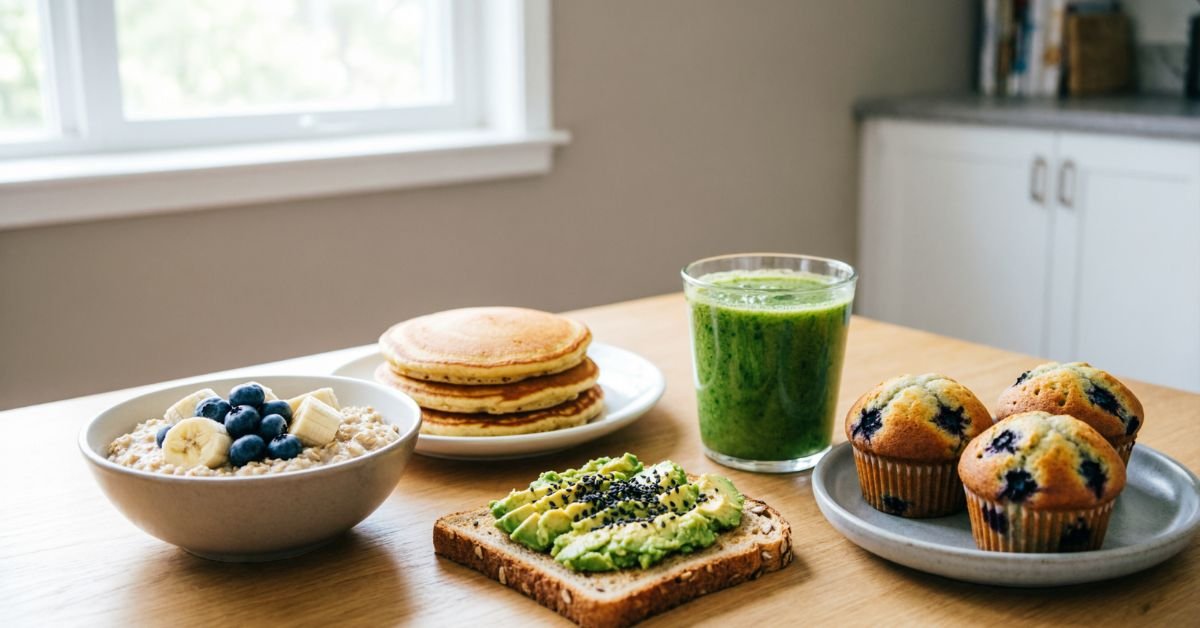
Why You Need Dairy-Free Breakfast Options for Toddlers

You can create dairy-free toddler breakfasts that are both nutritious and easy to prepare. You don’t need dairy to build a complete, nourishing breakfast for your toddler. Many parents feel stuck when they remove milk, yogurt, and cheese, but you can replace these foods with equally nutritious, toddler-friendly alternatives.
Parents often ask, “What can I give my toddler for breakfast instead of milk?” You can answer that question confidently once you understand how to balance nutrients using plant-based and allergy-friendly ingredients.
Toddlers may avoid dairy due to:
- Lactose intolerance
- Cow’s milk protein allergy
- Family dietary preferences (plant-based diets)
You can still support your child’s bone development, brain growth, and energy needs by focusing on the right nutrient combinations instead of relying on dairy as a default.
What Makes a Healthy Dairy-Free Toddler Breakfast?
You should build every breakfast around three core components:
- Calcium source (for bone health)
- Healthy fats (for brain development)
- Complex carbohydrates + protein (for sustained energy)
When you combine these elements, you create meals that keep your toddler full, focused, and satisfied.
Essential Nutrients for Dairy-Free Toddlers
Calcium Without Dairy
You can build dairy-free toddler breakfasts that meet calcium needs without relying on cow’s milk. You don’t need dairy to support strong bones when you use bioavailable plant-based sources that your toddler’s body absorbs effectively.
Top options for dairy-free toddler breakfasts include:
- Fortified oat milk
- Fortified soy milk
- Chia seeds
- Hemp hearts
- Calcium-set tofu
- Fortified nutritional yeast
You can combine these ingredients to create balanced dairy-free toddler breakfasts that support growth and development. The key lies in pairing foods strategically instead of depending on a single source.
Healthy Fats for Brain Development
Toddlers require a higher fat intake than adults because their brains develop rapidly during early childhood.
You can include:
- Coconut yogurt
- Avocado
- Seed butters (sunflower, tahini)
- Ground flaxseeds
These fats support memory, learning, and overall neurological development.
Vitamin D and Absorption
Vitamin D helps your toddler absorb calcium efficiently. You can include:
- Fortified plant-based milk
- Safe sunlight exposure
- Pediatrician-approved supplements if needed
Easy Dairy-Free Toddler Breakfast Ideas
You can rotate these meals throughout the week to prevent boredom and ensure balanced nutrition.
1. Creamy Oat Milk Porridge
You can cook oats in fortified oat milk and top them with:
- Banana slices
- Chia seeds
- A drizzle of date syrup
This meal delivers fiber, calcium, and natural sweetness without added sugar.
2. Coconut Yogurt Power Bowl
You can combine:
- Coconut yogurt
- Fresh berries
- Hemp hearts
This bowl offers a smooth texture, which works well for toddlers with sensory sensitivities.
3. Egg and Dairy-Free Pancakes
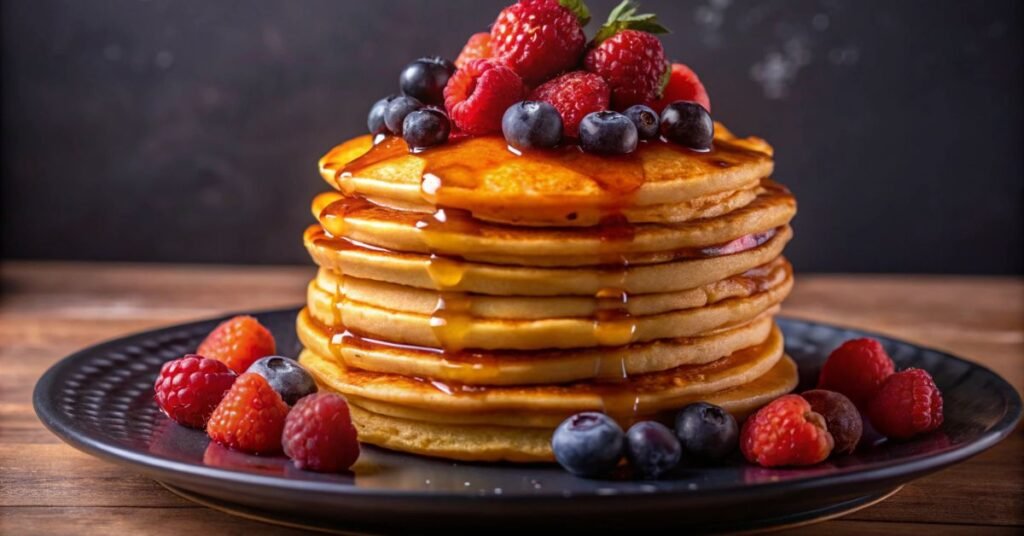
You can prepare pancakes using:
- Mashed banana
- Flour
- Oat milk
These pancakes turn soft and easy to chew, making them ideal for younger toddlers.
4. Toddler-Approved Green Smoothie
You can blend:
- Spinach
- Banana
- Oat milk
- Chia seeds
This smoothie hides greens while delivering essential vitamins and minerals.
5. Nut-Free Energy Bites
You can mix:
- Oats
- Sunflower seed butter
- Dates
Then roll them into bite-sized balls for a quick, school-safe breakfast.
6. Avocado Toast Fingers
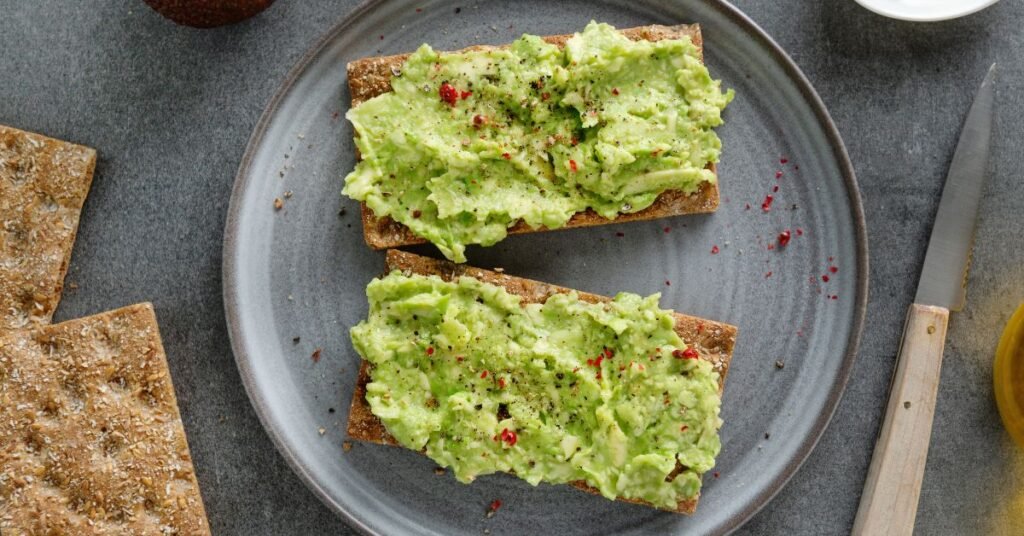
You can spread mashed avocado on whole-grain toast and cut it into toddler-friendly strips. This option provides healthy fats and easy self-feeding.
7. Quinoa Breakfast Bowl
You can cook quinoa in plant-based milk and add:
- Apple chunks
- Cinnamon
- Hemp seeds
This dish delivers protein and a slightly chewy texture toddlers enjoy.
Quick Milk-Free Toddler Meals for Busy Mornings
You don’t need complicated recipes when time feels tight. You can rely on these fast options:
| Meal Idea | Prep Time | Key Nutrients | Best For |
| Overnight oats with oat milk | 5 mins (night before) | Calcium, fiber | Busy mornings |
| Banana chia pudding | 5 mins | Omega-3, calcium | Picky eaters |
| Avocado toast | 3 mins | Healthy fats | Quick energy |
| Smoothie cup | 2 mins | Vitamins | On-the-go |
| Leftover pancakes | 1 min | Carbs, energy | No-prep days |
The “7-Day Calcium Swap” Data Table
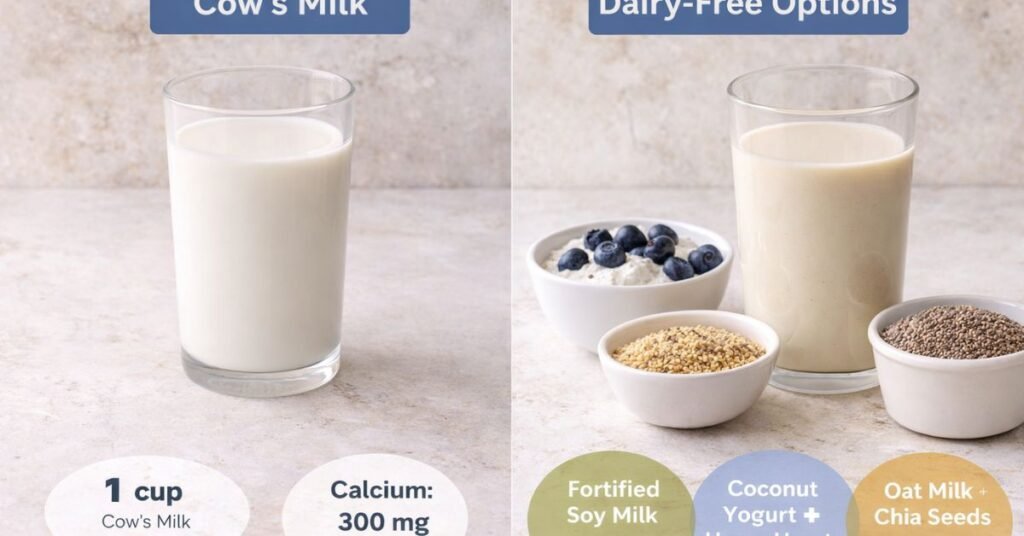
You can replace dairy effectively when you understand nutritional equivalents.
| Option | Calcium (mg) | Protein (g) | Why It Works |
| Cow’s milk (1 cup) | 300 | 8 | Standard reference |
| Fortified soy milk + chia seeds | 350 | 10 | High protein + calcium |
| Oat milk + hemp hearts | 280 | 7 | Mild taste, easy acceptance |
| Coconut yogurt + fortified cereal | 250 | 6 | Great texture variety |
You can rotate these combinations throughout the week to maintain nutritional balance.
The “Toddler Texture-Tested” Methodology
You can improve your toddler’s eating habits when you focus on texture instead of just taste.
I categorize every recipe into three mouthfeel groups:
| Texture Type | Examples | Best For |
| Smooth | Yogurt, smoothies | Sensory-sensitive toddlers |
| Chewy | Oats, pancakes | Skill development |
| Crunchy | Toast, toppings | Older toddlers |
Many toddlers reject foods due to texture, not flavor. When you match meals to their preference, you reduce mealtime struggles significantly.
Case Study: The “Sunday 60” Meal Prep Success
You can transform your mornings with a simple weekly prep system.
Before Implementation:
- Parents spent 45–60 minutes every morning
- Toddlers skipped breakfast or ate poorly
- Stress levels remained high
After Using “Sunday 60”:
- Parents prepared meals in 60 minutes once per week
- They stored:
- Overnight oats
- Pre-portioned smoothie packs
- Pancakes and energy bites
Results:
- Morning prep dropped to 10 minutes
- Family saved 5+ hours weekly
- Toddlers ate more consistently
This system proves that planning reduces stress and improves nutrition outcomes.
Allergy-Friendly Breakfast Strategies
Keep It Nut-Free
You can replace nut butters with:
- Sunflower seed butter
- Tahini
These options remain safe for school environments.
Choose Soy-Free Alternatives
If your toddler avoids soy, you can use:
- Oat milk
- Coconut yogurt
- Rice-based products
Prevent Cross-Contamination
You should:
- Use separate utensils
- Check food labels carefully
- Store allergen-free foods separately
Building a Balanced “Dairy-Free Breakfast Bowl”
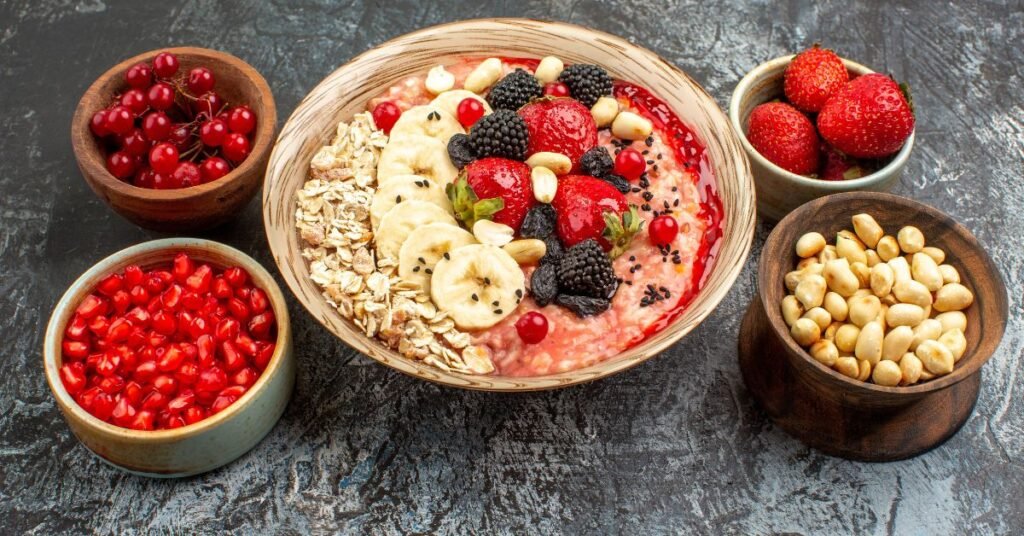
You can simplify breakfast by following a build-a-bowl method:
- Base: Oats, quinoa, or toast
- Protein/Fat: Seeds, coconut yogurt, or seed butter
- Fruit: Banana, berries, or apple
- Calcium Boost: Fortified milk or chia seeds
This structure ensures every meal remains balanced and nutritious.
Visual Portion Guide for Toddlers
You should adjust portions based on your toddler’s age:
- 12–24 months:
- 2–4 tablespoons per food group
- 2–3 years:
- ¼ to ½ cup per item
You can follow your child’s hunger cues instead of forcing portions. Toddlers naturally regulate their intake when you offer balanced meals.
Common Mistakes Parents Make
You can avoid these frequent pitfalls:
Relying Only on Fruit
Fruit alone doesn’t provide enough protein or fat.
Ignoring Calcium Intake
You should always include a calcium-rich component.
Overcomplicating Meals
Simple meals often work best for toddlers.
Skipping Meal Prep
Preparation reduces stress and improves consistency.
FAQs
What can I give my toddler for breakfast instead of milk?
You can offer fortified plant-based milk, oatmeal, smoothies, or dairy-free yogurt with seeds.
How do I ensure enough calcium on a dairy-free diet?
You can combine fortified milk with chia seeds, tofu, or hemp hearts to meet daily needs.
Are dairy-free breakfasts healthy for toddlers?
Yes, you can create balanced meals with protein, fats, and essential nutrients using plant-based ingredients.
What are good lactose-free breakfast ideas for 2-year-olds?
You can serve oat porridge, pancakes, smoothies, avocado toast, or quinoa bowls.
Can toddlers get enough protein without dairy?
Yes, you can include seeds, legumes, tofu, and fortified plant-based products to meet protein needs.
Conclusion
You can create nutritious, satisfying, and quick dairy-free breakfasts without sacrificing your toddler’s health. When you focus on calcium-rich foods, healthy fats, and balanced textures, you give your child everything they need to grow and thrive.
You don’t need complicated recipes or expensive ingredients. You only need a simple system, consistent planning, and a willingness to experiment with textures and flavors.
Use strategies like the “Sunday 60” routine, the calcium swap approach, and the build-a-bowl method to simplify your mornings. When you plan ahead, you reduce stress, save time, and ensure your toddler starts every day with the right nutrition.
