
Portugal’s best cities to visit in 2026 are Lisbon, Porto, Sintra, Évora, Coimbra, Aveiro, Braga, Lagos, Tavira, and Óbidos. First timers should start with Lisbon (3 nights) and Porto (2 nights), then add one smaller city. Mid-range daily costs run €80–€130 in the big two cities and €50–€80 elsewhere. Full ranked breakdown below.
Three trips to Portugal, 34 days most recently looping from Lisbon up through Braga, back down through Évora and finishing along the Algarve coast, where every receipt was kept, nights were spent in hostels and guesthouses, and lunch happened standing at counters followed by long dinners in places that had no English menu.
Portugal is genuinely one of the best travel destinations in Western Europe. But the crowd situation at top sites has gotten significantly worse since 2022. Choosing the right cities and knowing what to skip makes a real difference to how the trip feels.
Top 10 Cities in Portugal: Quick Comparison Table
| City | Best For | Daily Budget (Mid-Range) | Min. Days | Crowds |
| Lisbon | First timers, culture, food | €90–€130 | 3–4 | Very High |
| Porto | Atmosphere, wine, architecture | €75–€110 | 2–3 | High |
| Sintra | Palaces, scenery, day trips | €65–€90 | 1 | Very High |
| Évora | History, calm, Alentejo food | €55–€75 | 1–2 | Low |
| Coimbra | University town, fado, culture | €50–€70 | 1–2 | Low |
| Aveiro | Canals, tiles, fresh seafood | €55–€75 | 1 | Low–Medium |
| Braga | Religious heritage, young energy | €50–€70 | 1–2 | Low |
| Lagos | Algarve beaches, nightlife | €75–€100 | 2–3 | High (summer) |
| Tavira | Quiet Algarve, authenticity | €60–€80 | 1–2 | Low |
| Óbidos | Medieval charm, wine tourism | €60–€85 | 1 | Medium |
1. Lisbon Best City to Visit in Portugal for First Timers

Lisbon is the right starting point for almost every first-time Portugal visitor. The city packs a remarkable amount into a compact, walkable area the tilework of Alfama, the riverside Belém district, the castle overlooking the city from São Jorge Hill, and some of the best food per euro in Western Europe.
The honest caveat: Lisbon in peak summer (July–August) is crowded in a way that genuinely affects the experience. Tram 28 the famous yellow tram that climbs through Alfama is now so packed with tourists that locals stopped riding it years ago. The Miradouro das Portas do Sol viewpoint at 10am feels like an airport.
The fix is simple. Go in May, June, September, or October. Arrive at viewpoints before 9am. Explore Mouraria the neighbourhood just behind Alfama which is older, quieter, and still largely local.
The Pastéis de Belém bakery on Rua de Belém has served the original custard tarts since 1837. The queue looks intimidating but moves in under 10 minutes. One tart costs €1.50. It is worth every cent.
Realistic Lisbon costs 2026: Hostel dorm €22–€35/night. Guesthouse or small hotel €75–€120. Lunch at a local prato do dia restaurant: €9–€12 including wine. Metro day pass: €6.60.
2. Porto The City Most Visitors End Up Preferring

Ask any traveler who has done both cities and the majority say Porto was their favourite. It is smaller and steeper than Lisbon, with a dramatic physical setting the Douro River cutting through the centre, the port wine lodges of Vila Nova de Gaia stacked along the south bank, and iron bridges connecting both sides.
The São Bento railway station entrance hall is covered in over 20,000 hand-painted blue-and-white tiles depicting Portuguese history. Most people walk through it without stopping. Do not be one of those people.
Port wine tasting at the lodges in Gaia is one of the better-value tourist experiences in Portugal. A proper guided tasting with three ports and a short tour runs €15–€22 at houses like Graham’s or Ramos Pinto. Skip the heavily marketed ones with neon signs on the waterfront the quality drops and the prices go up.
Realistic Porto costs 2026: Budget guesthouse €55–€80/night. Mid-range hotel €95–€145. Lunch at a local tasca: €9–€13. Tram day pass: €8.
3. Sintra One Day Is Enough, But That Day Is Spectacular

Sintra sits 40 minutes west of Lisbon by train (€2.40 from Rossio station) and is one of the most visited places in Portugal. The reason is obvious: colourful palaces rising out of forested hills, a ruined Moorish castle, and landscaped gardens that look designed for a fairy tale.
The Pena Palace is the iconic image a bright yellow-and-red palace perched on the highest hill with views reaching the Atlantic on clear days. Entry costs €20, and the queue at 10am in summer can be 45 minutes. Book online in advance and arrive at opening time (9:30am).
One day from Lisbon covers the main sites comfortably. Staying overnight is only worthwhile if you want the town to yourself in the early morning and evening, once the day-tripper crowds leave.
4. Évora Best City in Portugal for History Without the Crowds
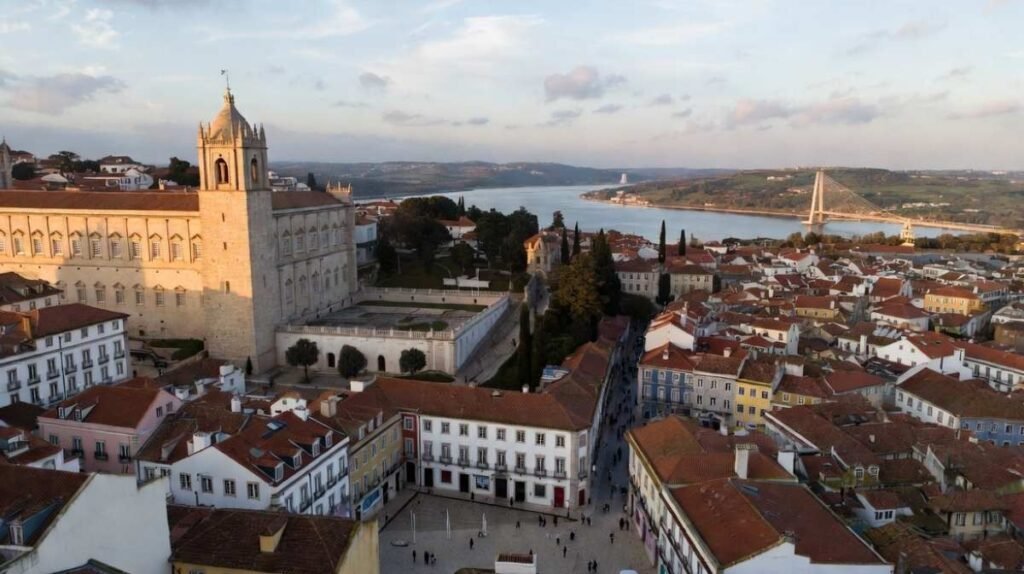
Évora is the capital of the Alentejo region and the most underrated city on this list. It holds a remarkably well-preserved Roman temple in its centre two thousand years old, surrounded by ordinary town life along with a UNESCO World Heritage medieval centre and a chapel built from the bones of approximately 5,000 monks (the Chapel of Bones, or Capela dos Ossos, entry €5).
The city gets a fraction of the tourists that Lisbon and Porto receive. Restaurants that would charge €18 for a main course in Lisbon charge €12–€14 here for better quality Alentejo cooking slow-braised pork, bread soups, local olive oil that costs nothing extra to pour over everything.
One night is enough; two gives you time to slow down and appreciate why people who live here seem quietly satisfied with their situation.
5. Coimbra Portugal’s University City With a Distinct Character

Coimbra was Portugal’s capital before Lisbon. Today it is home to one of the oldest universities in the world (founded 1290), and the student culture gives it an energy that older cities on this list lack.
The old university library Biblioteca Joanina is one of the more extraordinary rooms in Portugal. It was built in the early 18th century and holds an estimated 300,000 volumes. Entry costs €12. It gets booked up weeks ahead in summer; reserve online.
Coimbra is also the birthplace of the fado coimbrão, a distinct version of Portuguese fado traditionally performed by male students in black capes. Several restaurants in the old town offer live performances at dinner, typically €8–€15 cover charge.
Best for: travelers who want a real university town atmosphere, not just a collection of monuments.
6. Aveiro Portugal’s Answer to a Canal City
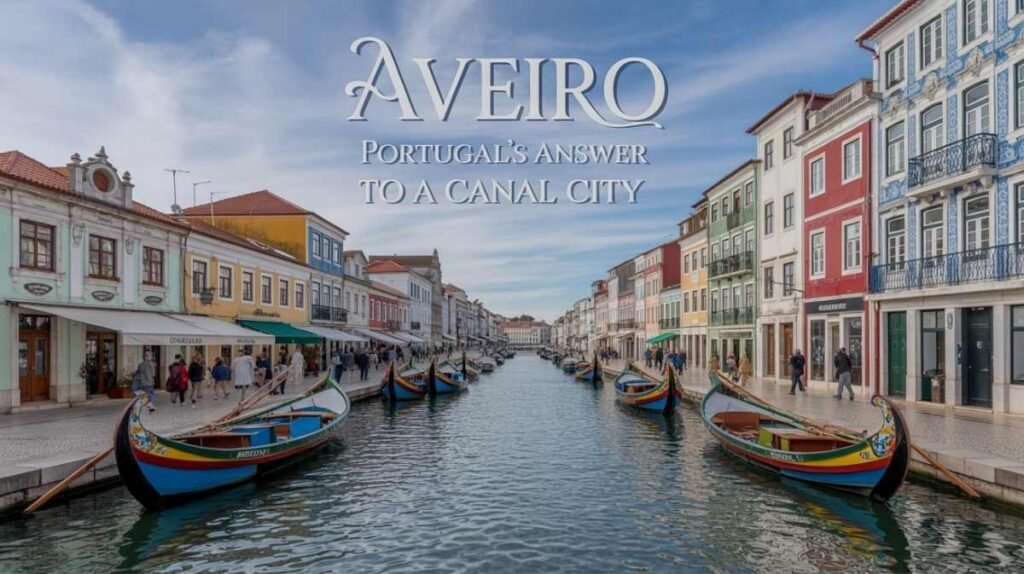
Aveiro is often described as “the Venice of Portugal,” which does it a disservice it is not trying to be Venice, it is its own thing. The city sits on a lagoon, with painted wooden boats called moliceiros navigating the canals through the town centre.
The railway station is arguably the best single introduction to the city: the entrance hall is decorated with enormous azulejo tile panels depicting Aveiro’s history. You step off the train and immediately understand what the city values.
The local specialty is ovos moles small egg-yolk-and-sugar sweets shaped like fish, shells, and barrels, sold in every bakery for about €1.50 each. They are genuinely good.
Aveiro works perfectly as a half-day stop between Porto and Coimbra on the train. The train journey from Porto takes 1 hour and costs €4–€7.
7. Braga Best Portuguese City for History Off the Beaten Track

Braga is Portugal’s third-largest city and, by most measures, one of the most undervisited. It has a very old cathedral (construction began in 1070), extraordinary baroque staircases at the Bom Jesus do Monte sanctuary outside town, and a lively modern centre built around university life.
The staircase at Bom Jesus is a UNESCO World Heritage Site. You can walk up it (the point, really the zigzag pattern has a rhythm to it) or take a funicular for €2. The view from the top over the surrounding hills is worth it regardless.
Best for: repeat visitors to Portugal who have done Lisbon and Porto and want something genuinely different.
8. Lagos Best Algarve City for Beach Travel

Lagos is the most popular base for the western Algarve, and for practical reasons the beaches around Ponta da Piedade, with their distinctive orange limestone cliffs and sea caves, are among the most photographed coastline in Europe.
The town itself is small, well-organized, and set up for tourism without feeling completely hollow. The old town inside the historic walls has enough restaurants, bars, and petiscos spots to keep evenings interesting.
Worth knowing: Lagos in July and August is expensive and very busy. The same guesthouse that costs €70/night in May costs €140 in August. The beaches are still worth it, but the shoulder season version is significantly better.
9. Tavira The Most Relaxing Part of Portugal

The most relaxing part of Portugal, for most people who have been, is the eastern Algarve and Tavira is the best base for it. The town sits on the Rio Gilão river, has a Roman bridge, whitewashed churches, and a slower pace that the western Algarve gave up years ago.
The beach Ilha de Tavira is a barrier island reached by a 10-minute ferry (€2 return). The sand is wide and clean and, outside of peak summer, genuinely uncrowded.
This is the answer to “what is the most relaxing part of Portugal?” It is Tavira, or the eastern Algarve more broadly not Lisbon, not Porto, not even Évora.
10. Óbidos Best Small Medieval Town in Portugal

Óbidos is a walled medieval town about 80km north of Lisbon, originally given as a wedding gift to the Queen of Portugal in 1282. The entire old town is enclosed within intact medieval walls you can walk along the full perimeter.
It is small enough to see completely in 3–4 hours, which makes it ideal as a day trip or a single overnight stop on the way between Lisbon and Porto. The local specialty is ginjinha a sour cherry liqueur served in tiny chocolate cups for €1.50 at shops along the main cobblestone street.
Best City in Portugal to Visit for First Timers: Recommended 7-Day Route
If this is your first trip to Portugal, this sequence works well:
| Days | City | Why |
| Days 1–3 | Lisbon | Base for arrival, Alfama, Belém, Sintra day trip |
| Days 4–5 | Coimbra or Évora | One night en route, slower pace |
| Days 6–7 | Porto | End with the city most first timers prefer on reflection |
This covers the top 3 cities in Portugal that genuinely matter for a first visit while avoiding the mistake of spending the entire trip in just two places.
Best Cities in Portugal to Live: Quick Note for Digital Nomads
Several cities on this list attract long-stay visitors and remote workers. Braga and Coimbra offer the lowest costs and good infrastructure. Porto’s Bonfim and Cedofeita neighbourhoods have become popular with digital nomads for good reason walkable, good coffee, faster internet than most European cities of comparable size. Lisbon’s Mouraria and Intendente areas work for those who want the capital without the tourist-facing prices.
FAQ: Best Cities in Portugal
What are the top 5 cities in Portugal to visit?
The top 5 are Lisbon, Porto, Sintra, Évora, and Lagos. Lisbon and Porto are essential for first-time visitors; Sintra works as a day trip from Lisbon; Évora is the best choice for culture without crowds; and Lagos is the strongest base for Algarve beach travel.
What is the best city to visit in Portugal for first timers?
Lisbon is the best starting city for first-time visitors to Portugal. It has the most to see, the best transport connections, and the widest range of accommodation. Pair it with Porto (2–3 nights) and at least one smaller city Évora or Coimbra work well for a balanced first trip.
What is the most underrated city in Portugal?
Évora. It holds a Roman temple, a UNESCO medieval centre, and some of the best food in the country at prices far below Lisbon. Most first-time visitors skip it entirely, which is a mistake.
What is the most relaxing part of Portugal?
The eastern Algarve, and Tavira in particular. It has beaches, a slow pace, and a fraction of the crowds found in the western Algarve or the main cities.
What are the top 10 cities in Portugal?
Ranked for travelers: Lisbon, Porto, Sintra, Évora, Coimbra, Aveiro, Braga, Lagos, Tavira, and Óbidos.

Finn Cole is a professional celebrity insider and entertainment journalist who lives for the spotlight. From breaking red carpet news to uncovering behind-the-scenes stories of your favorite stars, Finn brings you the exclusive scoop on everything Hollywood and beyond. If it’s trending, he’s already talking about it.