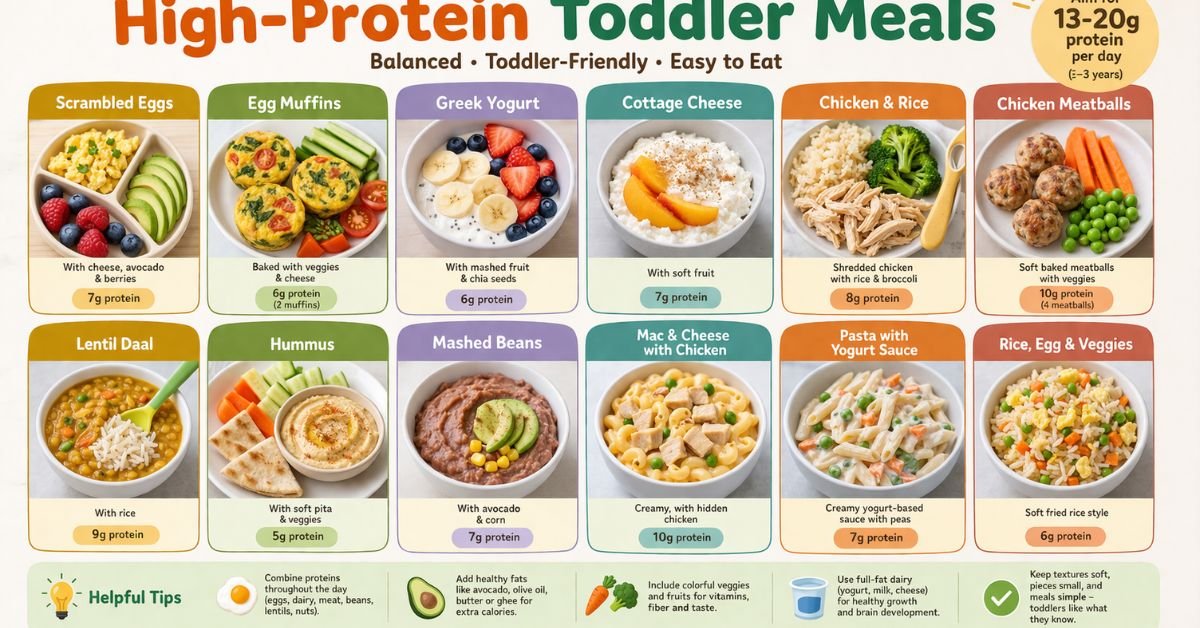
High protein toddler meals include nutrient-rich, vegetarian foods that support growth and development in young children. These meals use sources like lentils, dairy, eggs, tofu, and seeds while keeping flavors and textures toddler-friendly.
Many parents feel frustrated when picky toddlers refuse protein-rich foods and prefer plain carbs. This can raise concerns about proper nutrition, but picky eating often comes down to texture and familiarity, not a lack of appetite.
In this guide, I will show you how to create simple, high-protein vegetarian meals your toddler will accept. You will learn practical strategies to improve food acceptance and meet nutritional needs without stress.
Why Protein Matters in Vegetarian Toddler Nutrition
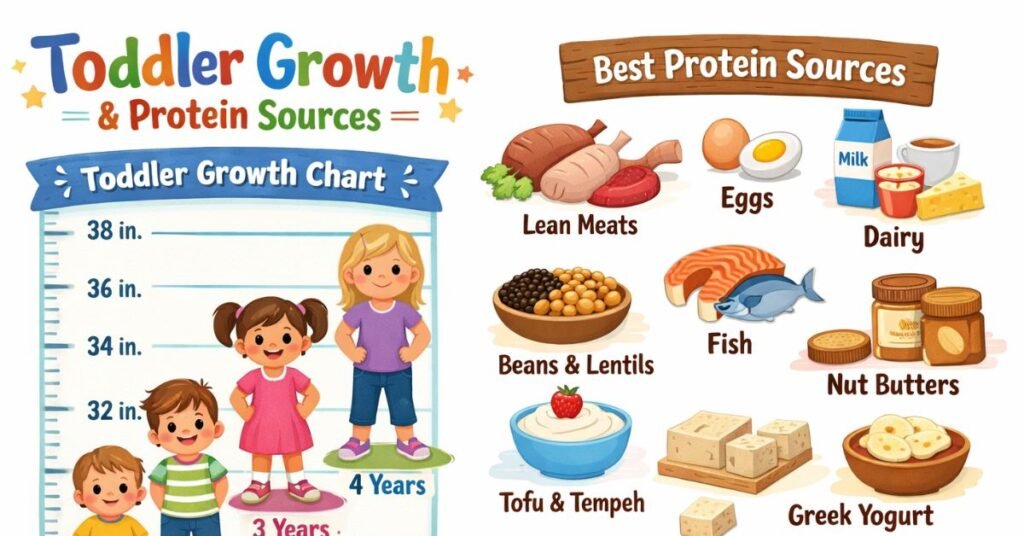
Toddlers need protein to support rapid growth, brain development, and immune function. Many parents worry that a meatless diet lacks sufficient protein—but you can meet all requirements with smart planning.
Daily Protein Needs (Quick Reference)
| Age | Average Weight | Daily Protein Requirement |
| 1–3 years | ~10–14 kg | 13–16 grams |
You can easily meet this target by combining plant-based and vegetarian protein sources throughout the day.
Iron, B12, and Key Nutrients in Vegetarian Toddler Diets
Protein alone does not ensure healthy growth. You must also include critical micronutrients that support brain development and prevent deficiencies.
Iron-Rich Vegetarian Foods for Toddlers
Toddlers absorb plant-based iron less efficiently, so you should pair it with vitamin C.
| Food | Iron Benefit | Pair With |
| Lentils | High iron | Tomatoes, lemon juice |
| Spinach | Moderate iron | Citrus fruits |
| Chickpeas | Good source | Bell peppers |
| Fortified cereals | Reliable source | Strawberries |
Vitamin B12 Sources
Vitamin B12 supports nerve function and red blood cell production.
- Dairy (milk, yogurt, cheese)
- Eggs
- Fortified plant milks or cereals
If your child follows a strict plant-based diet, consult a pediatrician about B12 supplementation.
Common Mistakes Parents Make (and How to Fix Them)
Many parents unknowingly reduce protein intake despite good intentions. You can avoid these common pitfalls with small adjustments.
Mistake 1: Relying Only on Carbohydrates
Plain pasta, bread, and rice fill toddlers but lack sufficient protein.
Fix: Add protein boosters like lentil pasta, nut butters, or yogurt dips.
Mistake 2: Ignoring Texture Preferences
Toddlers often reject food because of texture,not taste.
Fix: Offer consistent textures like smooth purees or uniform nuggets.
Mistake 3: Offering Large Portions
Large servings overwhelm picky eaters.
Fix: Serve small, manageable portions (1–2 tablespoons at a time).
Mistake 4: Introducing Too Many New Foods at Once
Too much variety can cause rejection.
Fix: Introduce one new protein at a time using the Flavor Bridge Method.
Mistake 5: Expecting Immediate Acceptance
Toddlers often need repeated exposure.
Fix: Reintroduce foods 8–10 times without pressure.
The “Flavor Bridge” Methodology (Step-by-Step System)
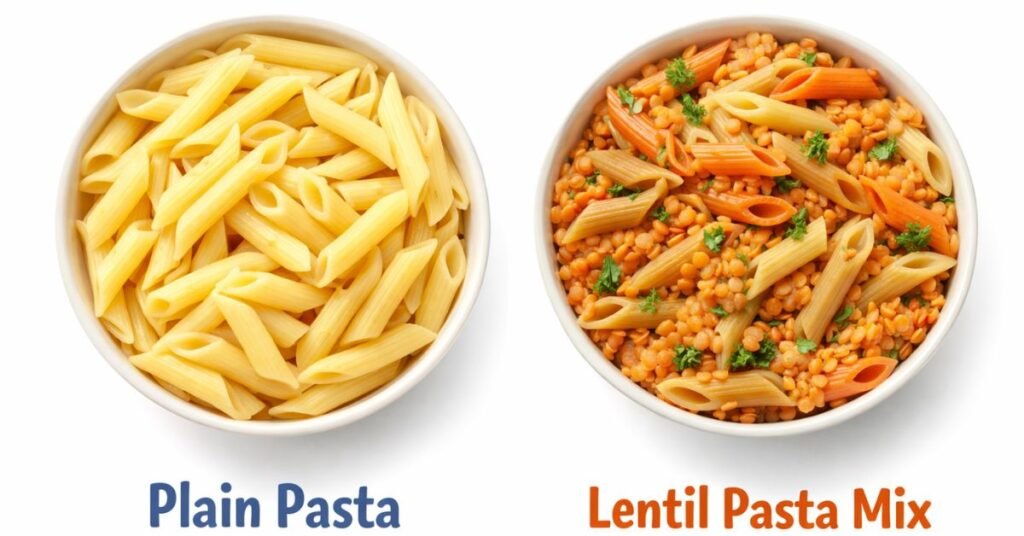
I use the Flavor Bridge Method to help picky toddlers accept new, protein-rich foods without resistance.
Step 1: Start with a Safe Food
Choose a food your toddler already accepts (e.g., plain pasta, white rice, or bread).
Step 2: Make a Subtle Swap
Replace part of the familiar food with a higher-protein version.
- Mix white pasta with lentil pasta (25% lentil → 75% regular)
- Add mashed chickpeas into mashed potatoes
Step 3: Reinforce Familiar Flavors
Use dips or toppings your child already loves:
- Yogurt-based dips
- Mild cheese sauces
- Peanut or seed butter (if safe)
Step 4: Gradually Increase Protein Content
Increase the protein-rich ingredient over time until it becomes the new norm.
Step 5: Maintain Texture Consistency
Toddlers reject texture before taste. Keep textures predictable and smooth or evenly crunchy.
The 7-Day Protein-to-Growth Matrix (Toddler Portions)
I designed this table to help you compare protein density across common vegetarian foods using toddler-sized servings (≈2 tablespoons).
| Food | Protein (Approx.) | Key Benefit | Best Use |
| Hemp seeds | 3.2g | Complete protein | Sprinkle on oatmeal |
| Greek yogurt | 2.5–3g | High calcium | Dips, snacks |
| Lentils (cooked) | 2.3g | Iron-rich | Mash into sauces |
| Tofu | 2–3g | Soft texture | Nuggets, cubes |
| Peanut butter | 2g | Energy-dense | Spread, smoothies |
| Chia seeds | 2g | Omega-3s | Pudding, oatmeal |
| Chickpeas | 2g | Fiber + protein | Mash or roast |
| Egg | ~3g (1 small) | Complete protein | Breakfast |
👉 Insight: Hemp seeds deliver more protein per tablespoon than most traditional toddler foods, making them a powerful “invisible” add-in.
Case Study: Overcoming Texture Aversion with Tofu
High protein toddler meals
A parent struggled because their toddler rejected all “chunky” or fibrous foods but preferred uniform textures like crackers or nuggets.
Problem
The child rejected lentils, beans, and vegetables due to inconsistent textures.
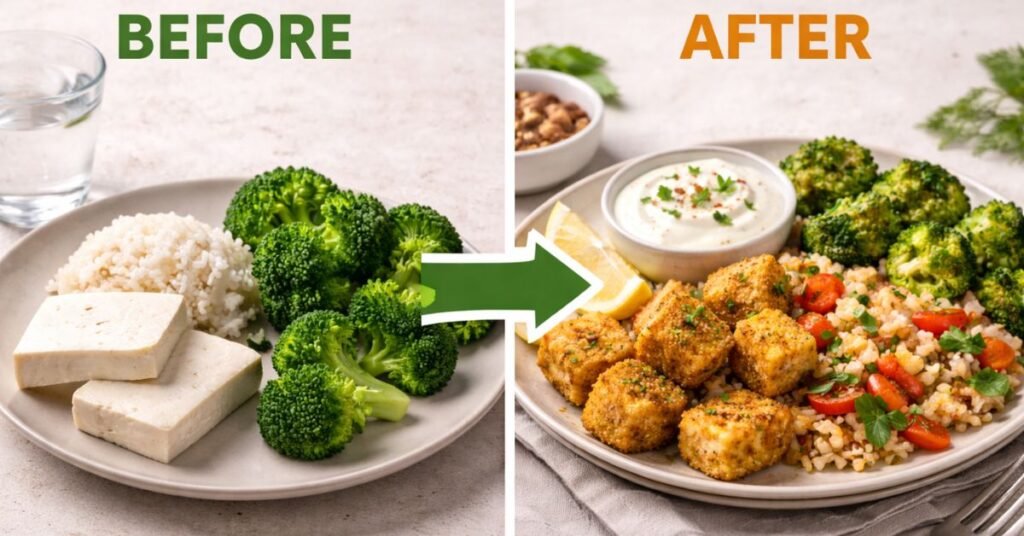
Solution: Air-Fried Tofu Nuggets
- Press tofu to remove moisture
- Cut into uniform cubes
- Coat lightly with breadcrumbs
- Air-fry until crispy outside, soft inside
Why It Worked
- Consistent shape reduces sensory anxiety
- Crispy exterior mimics familiar snack foods
- Soft interior feels safe to chew
Key Takeaway
Toddlers often accept foods based on texture predictability, not taste. You should prioritize uniformity when introducing protein-rich foods.
High-Protein Meal Ideas for Picky Toddlers
Breakfast Options
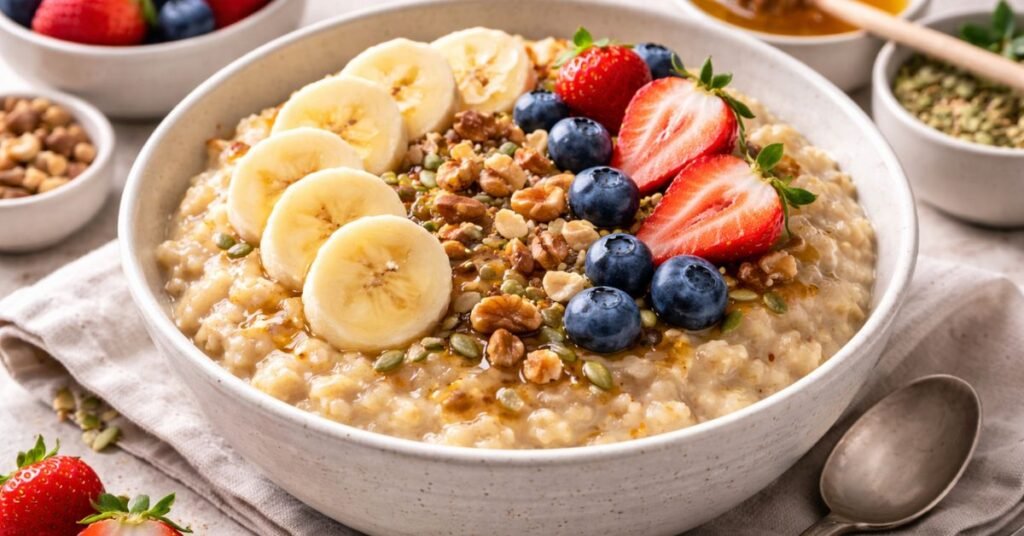
- Oatmeal with chia seeds + almond butter
- Scrambled eggs with soft cheese
- Smoothie with yogurt + peanut butter
Lunch Ideas
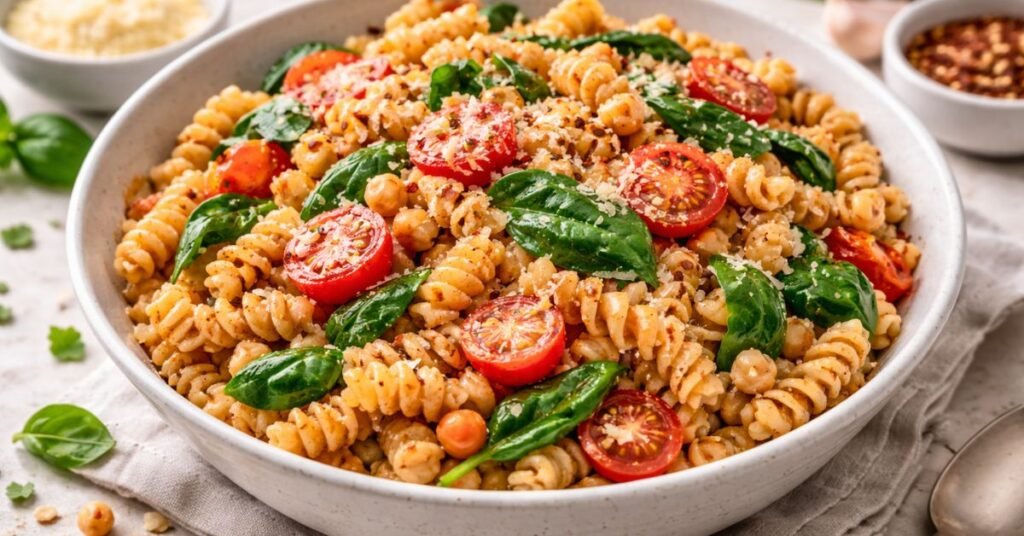
- Chickpea pasta with mild cheese sauce
- Mini lentil patties with yogurt dip
- Nut-free protein wraps (sunflower butter + banana)
Snack Ideas
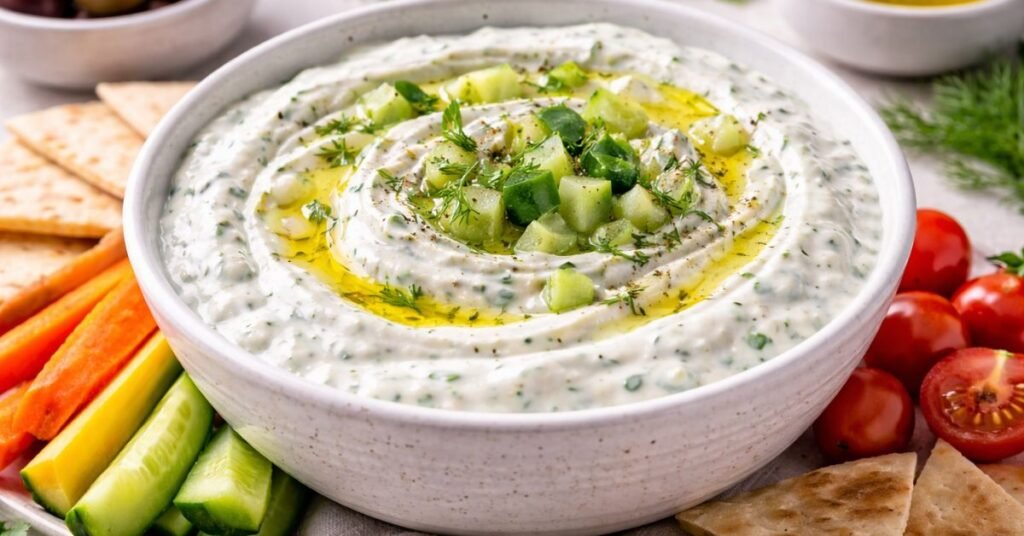
- Greek yogurt dip with soft fruits
- Protein smoothies (hidden seeds)
- Cheese cubes + whole-grain crackers
Protein Swap Guide (Upgrade Everyday Meals)
| Standard Meal | Protein-Boosted Version |
| Plain oatmeal | Oatmeal + chia + almond butter |
| White pasta | Lentil or chickpea pasta |
| Mashed potatoes | Potatoes + blended lentils |
| Toast + jam | Toast + nut/seed butter |
| Smoothie (fruit only) | Add yogurt + protein seeds |
Texture Guide for Better Acceptance
You should always match texture to your toddler’s comfort level:
- Smooth: Yogurt, mashed lentils, smoothies
- Soft: Scrambled eggs, tofu cubes
- Uniform Crunch: Baked nuggets, crackers
Avoid mixed or unpredictable textures during early exposure.
Practical Tools for Parents
1. Interactive Toddler Protein Calculator
You can estimate your child’s needs using this formula:
Protein (grams) = Weight (kg) × 1.1
Example:
12 kg toddler → ~13 grams protein/day
must read: Dairy-Free Toddler Breakfast Ideas (Easy, Healthy & Quick)
2. “60-Second Prep” Snack Ideas
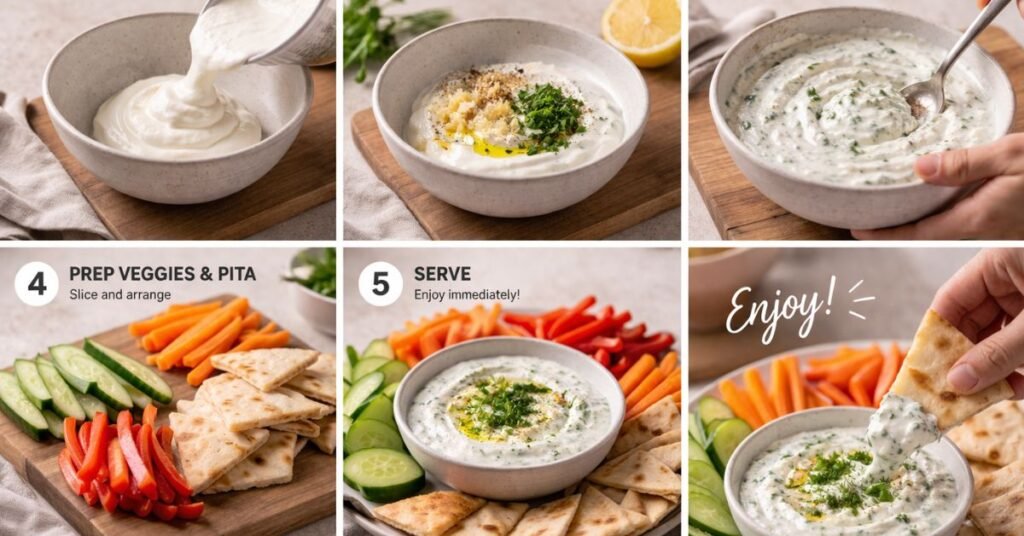
- Yogurt + hemp seeds + honey (if age-appropriate)
- Banana + peanut butter roll-ups
- Cheese + soft whole-grain crackers
These take less than a minute but deliver meaningful protein.
FAQs
1. Can toddlers get enough protein from a vegetarian diet?
Yes. You can meet protein needs easily by combining foods like lentils, dairy, eggs, tofu, and seeds.
2. What if my toddler refuses all protein-rich foods?
Use the Flavor Bridge Method. Start with familiar foods and introduce protein gradually.
3. Are plant proteins complete for toddlers?
Some are (like eggs and dairy). You can combine others (like beans + grains) to provide all essential amino acids.
4. How do I handle extreme picky eating?
Focus on texture first, not taste. Offer consistent shapes and avoid overwhelming variety.
5. Should I use protein powders?
You should prioritize whole foods first. Consult a pediatric dietitian before adding supplements.
Conclusion
You don’t need complicated recipes or forceful tactics to feed a picky toddler. You need a structured approach, patience, and smart protein strategies.
Use the Flavor Bridge Method, prioritize texture consistency, and rely on high-density protein foods like hemp seeds, yogurt, lentils, and tofu. When you apply these principles consistently, you will expand your toddler’s diet while supporting healthy growth,without mealtime battles.

Finn Cole is a professional celebrity insider and entertainment journalist who lives for the spotlight. From breaking red carpet news to uncovering behind-the-scenes stories of your favorite stars, Finn brings you the exclusive scoop on everything Hollywood and beyond. If it’s trending, he’s already talking about it.