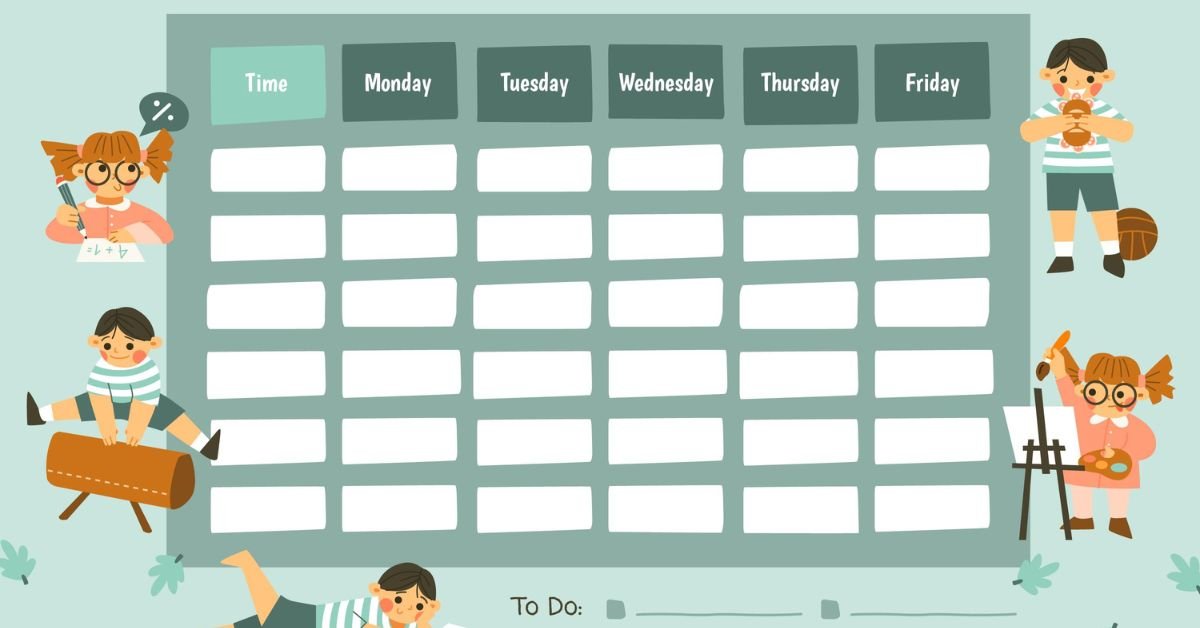
Teaching responsibility at an early age builds confidence, independence, and life skills. A printable weekly chore chart for a 7 year old helps children understand routines, track progress, and feel proud of their contributions at home.
At age seven, children begin to develop stronger executive function skills, improved fine motor abilities, and better understanding of responsibility. When parents combine a visual chore chart, positive reinforcement, and a structured daily routine, they help children build lifelong habits.
This guide explains age-appropriate chores for 7 year olds, introduces a skill-based chore system, and provides tools that help parents create a simple and effective kids reward system printable.
Why 7 Year Olds Benefit From a Weekly Chore Chart
Seven year olds start to understand routines, expectations, and rewards. A chore chart creates structure and gives children a clear picture of what they need to accomplish each day.
Parents who use a visual schedule or chore chart with pictures for elementary kids often notice better cooperation and fewer reminders.
Key Benefits
- Builds responsibility and independence
- Improves executive function skills
- Encourages positive behavior
- Reduces daily nagging
- Strengthens family teamwork
Age Appropriate Chores for 7 Year Olds
Seven-year-olds can handle more responsibility than younger children. They can complete simple household tasks with minimal supervision.
Common Chores for Second Graders
| Chore | Skill Developed | Difficulty Level |
| Make the bed | Self-care | Easy |
| Pack school bag | Organization | Easy |
| Set the table | Family contribution | Easy |
| Sort laundry | Logical thinking | Medium |
| Clean bedroom | Responsibility | Medium |
| Feed pets | Routine building | Easy |
| Wipe kitchen counters | Household care | Medium |
These tasks help children practice fine motor skills, responsibility, and independence.
The Skill Chore Matrix (A Smarter Way to Assign Chores)
Instead of assigning random tasks, parents can organize chores based on the developmental skills they build.
1. Self Care Chores (Build Independence)
Self-care chores help children take care of themselves and their personal space.
Examples:
- Making their bed
- Brushing teeth independently
- Choosing clothes for school
- Cleaning their bedroom
These tasks support morning and evening routines and encourage autonomy.
2. Contribution Chores (Build Empathy)
Contribution chores teach children how their actions help the entire family.
Examples:
- Setting the dinner table
- Helping unload groceries
- Watering plants
- Feeding pets
Children who complete these chores feel more connected to family life.
3. Life Skill Chores (Build Problem Solving)
Life-skill chores help children understand real-world responsibilities.
Examples:
- Sorting recycling
- Folding small laundry items
- Organizing toys
- Learning basic kitchen safety
These tasks support logical reasoning and everyday independence.
Sample Printable Weekly Chore Chart for a 7 Year Old
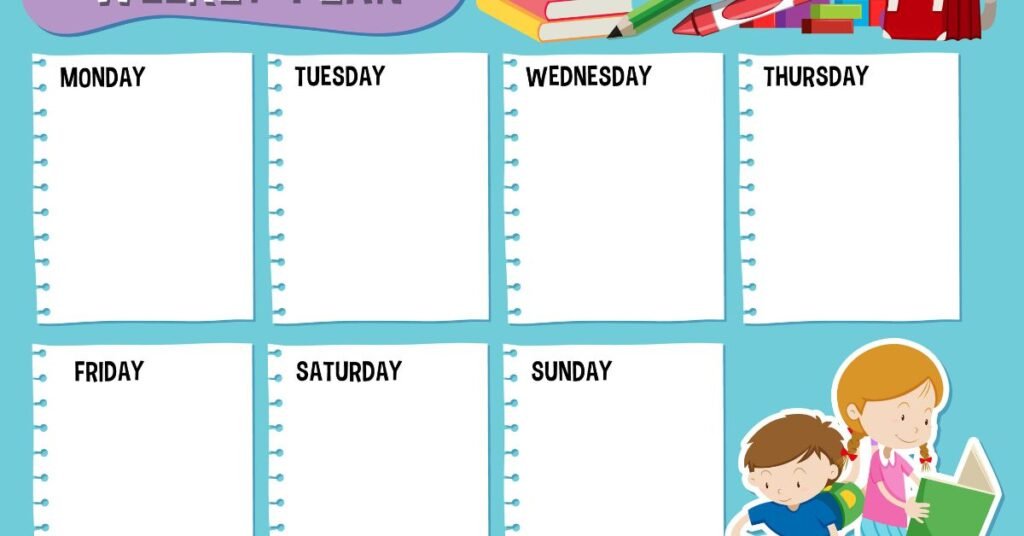
A customizable weekly chore tracker helps children visualize their progress.
| Day | Morning Routine | After School | Evening Routine | Reward |
| Monday | Make bed | Put toys away | Set table | ⭐ |
| Tuesday | Pack school bag | Feed pet | Help clear table | ⭐ |
| Wednesday | Brush teeth | Sort laundry | Tidy bedroom | ⭐ |
| Thursday | Make bed | Homework check | Water plants | ⭐ |
| Friday | Pack bag | Clean desk | Family helper task | ⭐ |
Parents can laminate the chart and use dry-erase markers so children can reuse it every week.
The 3 Week Habit Loop Case Study
A small Home Harmony study followed 20 families who used a structured chore chart for 21 days.
The results showed:
| Behavior Change | Improvement |
| Morning nagging from parents | Reduced by 65% |
| Task completion | Increased by 40% |
| Child motivation | Significantly improved |
The study found that children completed more tasks when they chose the order of their chores. This small sense of control increased motivation and cooperation.
The Safety & Standards Rubric for Parents
Parents often make a common mistake: they expect perfect results. However, seven-year-olds still develop coordination and organizational skills.
Parents should focus on effort instead of perfection.
The “Done vs Perfect” Scale printable weekly chore chart for 7 year old
| Task | Done (Acceptable) | Perfect (Adult Standard) |
| Bed making | Blanket pulled up | Perfectly tucked |
| Laundry folding | Clothes stacked | Perfectly folded |
| Room cleaning | Toys organized | Fully spotless |
When parents accept “7 year old quality” work, they protect the child’s motivation and confidence.
Creating a Kids Reward System Printable
Rewards help reinforce good behavior and consistent habits.
However, parents should focus on positive reinforcement, not bribery.
Reward Ideas
| Task Completion | Reward Example |
| 5 stars | Choose family movie |
| 10 stars | Extra playtime |
| 20 stars | Pick dinner menu |
| 30 stars | Small toy or outing |
Children feel more motivated when they work toward small, achievable rewards.
Building a 7 Year Old Daily Routine Checklist
A routine checklist helps children stay organized during busy school days.
Morning Routine Example
- Wake up
- Brush teeth
- Make bed
- Eat breakfast
- Pack school bag
Evening Routine Example
- Put toys away
- Complete homework
- Help with dinner
- Prepare clothes for tomorrow
- Brush teeth
A visual routine chart helps children follow these steps independently.
Tips for Teaching Responsibility to a 7 Year Old
Parents can encourage responsibility with a few simple strategies.
1. Start Small printable weekly chore chart for 7 year old
Introduce one or two chores at a time.
2. Use Visual Schedules
Children respond well to picture based chore charts.
3. Stay Consistent
Daily routines help children build habits faster.
4. Celebrate Effort
Praise effort rather than perfect results.
5. Let Kids Choose
Allow children to choose the order of their tasks.
Conclusion
A printable weekly chore chart for a 7 year old helps parents teach responsibility while keeping routines organized and stress-free. When parents assign age-appropriate chores, use visual charts, and apply positive reinforcement, children learn independence and life skills.
Parents should remember one important rule: focus on progress, not perfection. When children feel capable and appreciated, they develop habits that support success at school, home, and beyond.
FAQs
What chores should a 7 year old do daily?
A 7 year old can complete simple daily chores such as making the bed, cleaning their room, packing their school bag, feeding pets, and helping set the table.
Should a 7 year old receive allowance for chores?
Some families use allowance systems, while others focus on responsibility-based systems. Parents should decide which approach aligns with their family values.
How do chore charts help children?
Chore charts help children visualize tasks, track progress, and develop responsibility. They also reduce reminders and create structured routines.
How long does it take for children to build chore habits?
Children usually develop consistent habits within 2 3 weeks when parents use routine charts and positive reinforcement.
Should parents redo chores completed by children?
Parents should avoid redoing chores in front of children. Accept “done” work and guide improvements gradually.

Finn Cole is a professional celebrity insider and entertainment journalist who lives for the spotlight. From breaking red carpet news to uncovering behind-the-scenes stories of your favorite stars, Finn brings you the exclusive scoop on everything Hollywood and beyond. If it’s trending, he’s already talking about it.